How to Start a Podcast: Tips from Big Cousin's House


Introduction to Podcasting
Starting a podcast is an exciting journey that allows you to share your voice and ideas with the world. At Big Cousin's House, we've seen many successful podcasts begin with just a simple idea. Whether you want to entertain, educate, or inspire, podcasting offers a platform for every passion.
Finding Your Niche
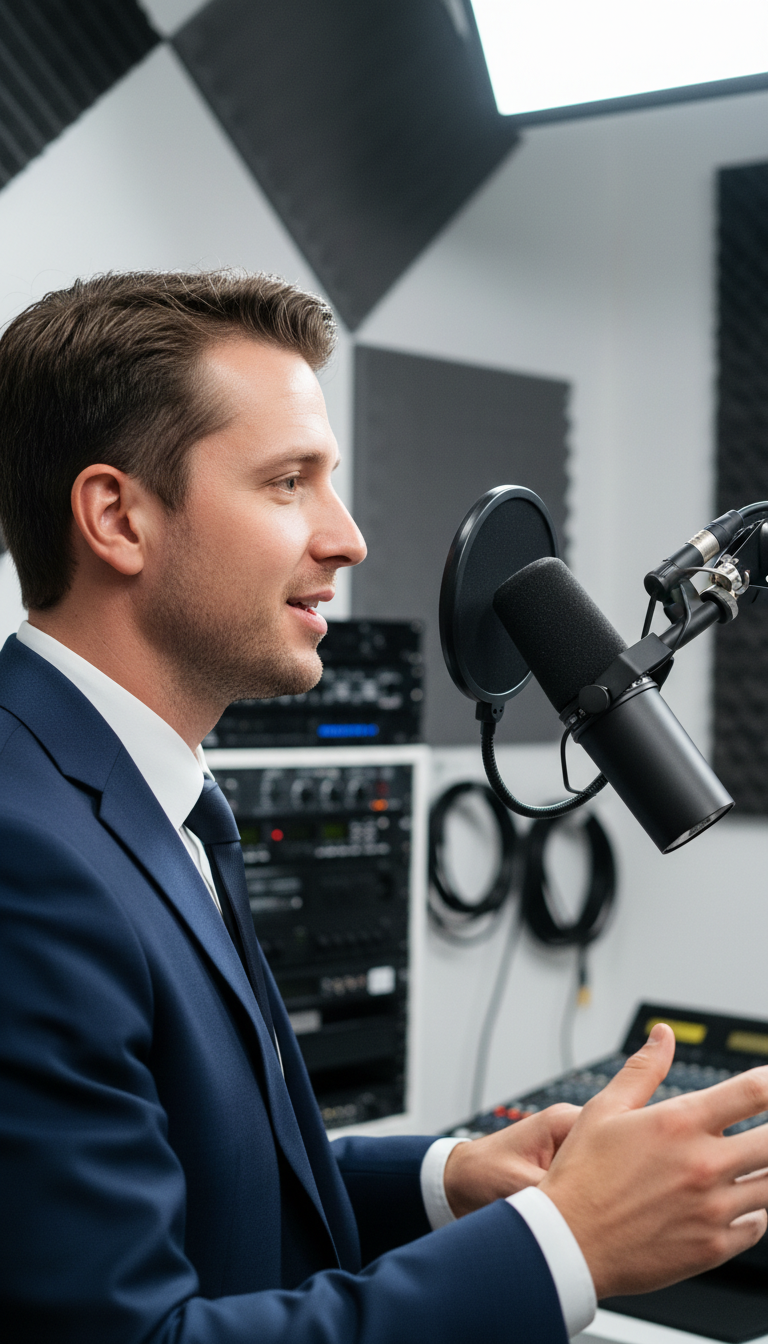
The first step is identifying your podcast's niche. What topics are you passionate about? What expertise can you offer? It's crucial to choose a subject that not only interests you but also has an audience eager to listen. Consider researching existing podcasts to see what gaps you can fill.
Define Your Audience
Understanding your target audience is key. Are you speaking to young professionals, parents, or hobbyists? Tailoring content to your listeners' interests will help keep them engaged and coming back for more.
Planning Your Content
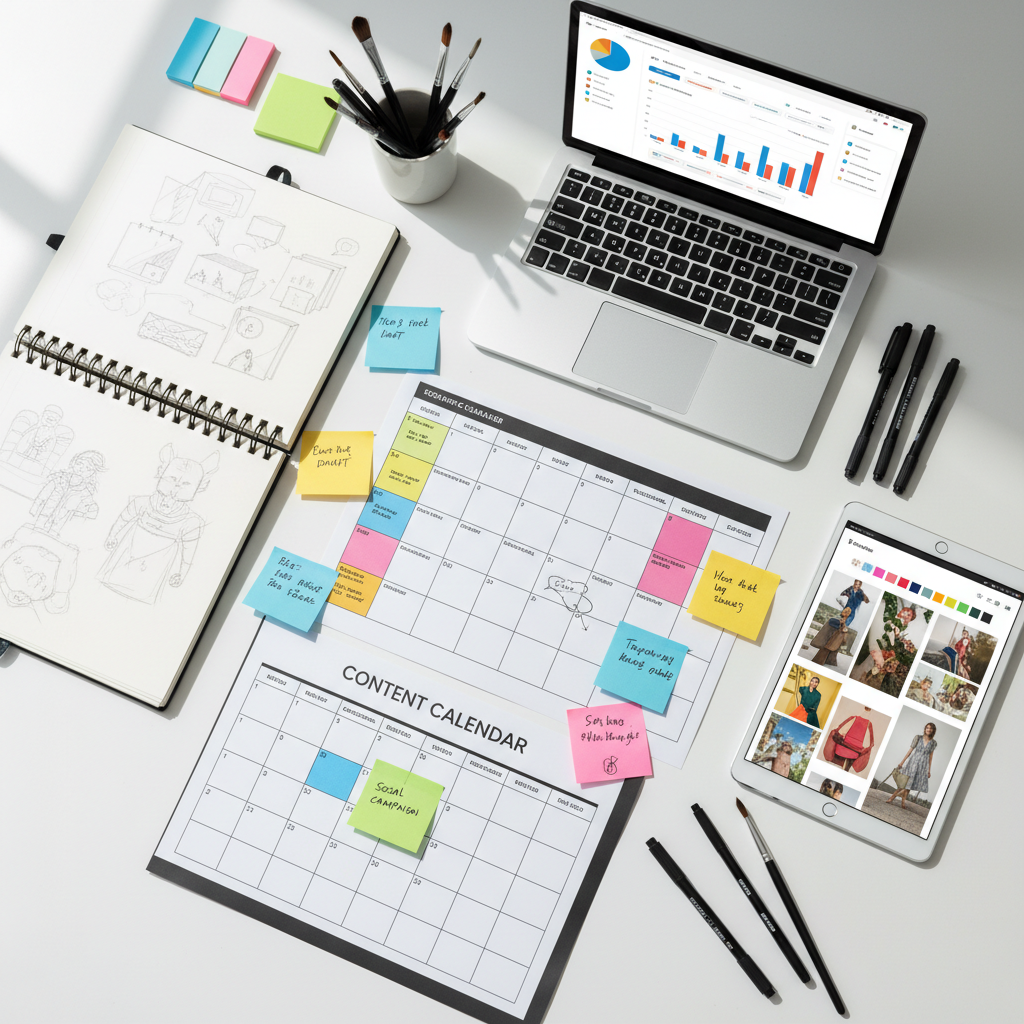
Once you've identified your niche, it's time to plan your content. Create a content calendar to organize episode topics and release dates. This helps maintain a consistent schedule, which is vital for building a loyal audience.
Episode Structure
Decide on the structure of your episodes. Will you have a monologue, interviews, or a mix of both? A clear structure keeps your episodes focused and professional. Consider adding segments like Q&A or guest interviews to keep things dynamic.
Setting Up Your Equipment
Investing in quality equipment is essential for producing a professional-sounding podcast. At a minimum, you'll need a good microphone, headphones, and recording software. There are plenty of budget-friendly options available for beginners.
- Microphone: Choose a USB or XLR microphone for clear audio.
- Headphones: Over-ear headphones help with audio editing.
- Recording Software: Look for user-friendly options like Audacity or GarageBand.
Recording and Editing
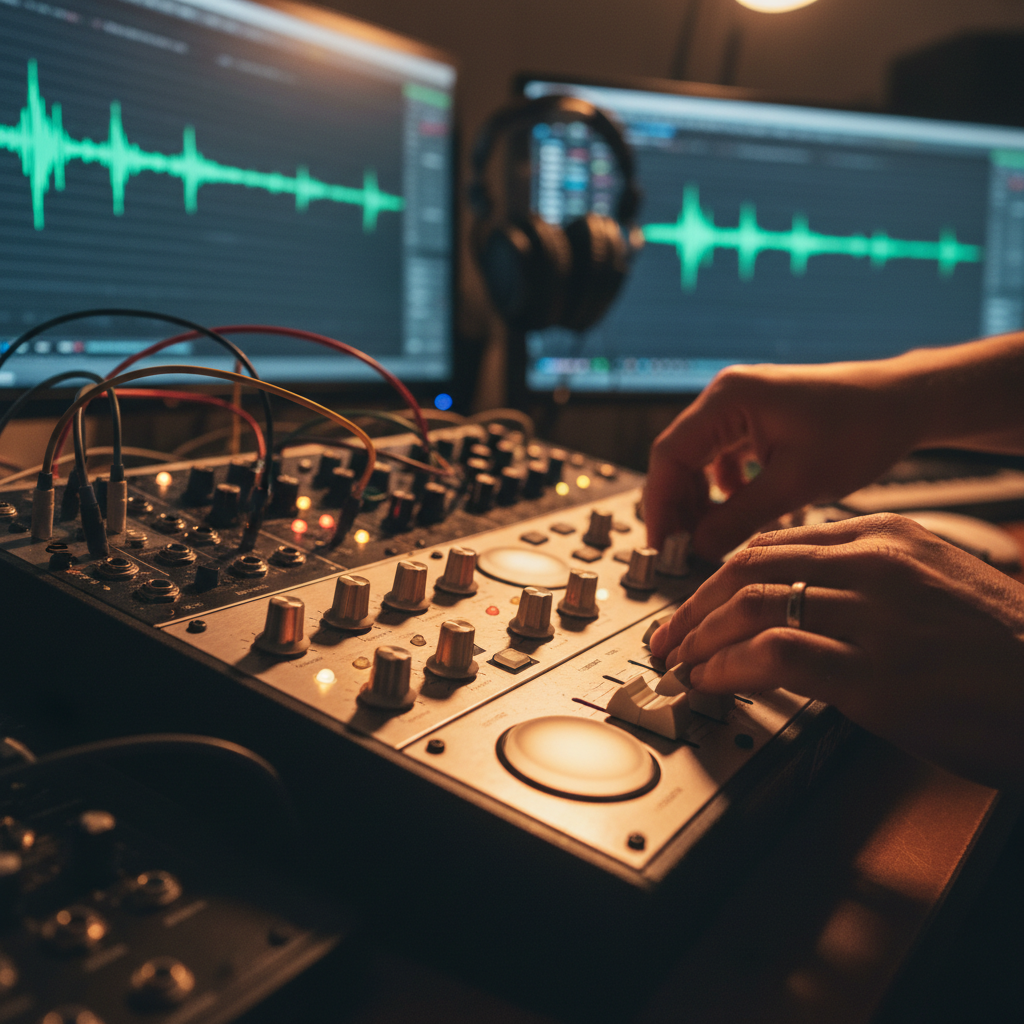
Once your equipment is set up, it's time to record. Choose a quiet location to minimize background noise. Don't worry if your first recordings aren't perfect; editing software allows you to cut out mistakes and improve sound quality.
Editing Tips
Editing is where your podcast truly comes to life. Use editing software to remove dead air, add music, and enhance audio clarity. Keep episodes concise to maintain listener interest.
Publishing and Promoting Your Podcast
After editing, it's time to publish your podcast. Choose a hosting platform that suits your needs and budget. Popular options include Libsyn, Podbean, and Anchor. Once published, promote your podcast on social media, blogs, and through collaborations to grow your audience.

Building a Community
Engage with your listeners by encouraging feedback and discussion. Building a community around your podcast can lead to loyal fans and valuable word-of-mouth promotion. Consider creating a social media page or a forum for listeners to interact.
Conclusion
Starting a podcast requires dedication and planning, but it can be a rewarding experience. By following these tips from Big Cousin's House, you'll be well on your way to creating a podcast that resonates with listeners. Happy podcasting!