How to Start Your Own Podcast: Tips from Big Cousin's House


Why Start a Podcast?
In today's digital age, podcasts have become a powerful medium for storytelling, education, and entertainment. Starting your own podcast can help you share your passions, connect with like-minded individuals, and even build a community around your interests. If you've been considering diving into the world of podcasting, Big Cousin's House is here to guide you through the process with some practical tips.
Creating a podcast might seem daunting at first, but with the right approach and tools, anyone can do it. All you need is a clear vision, a bit of planning, and a willingness to learn along the way.
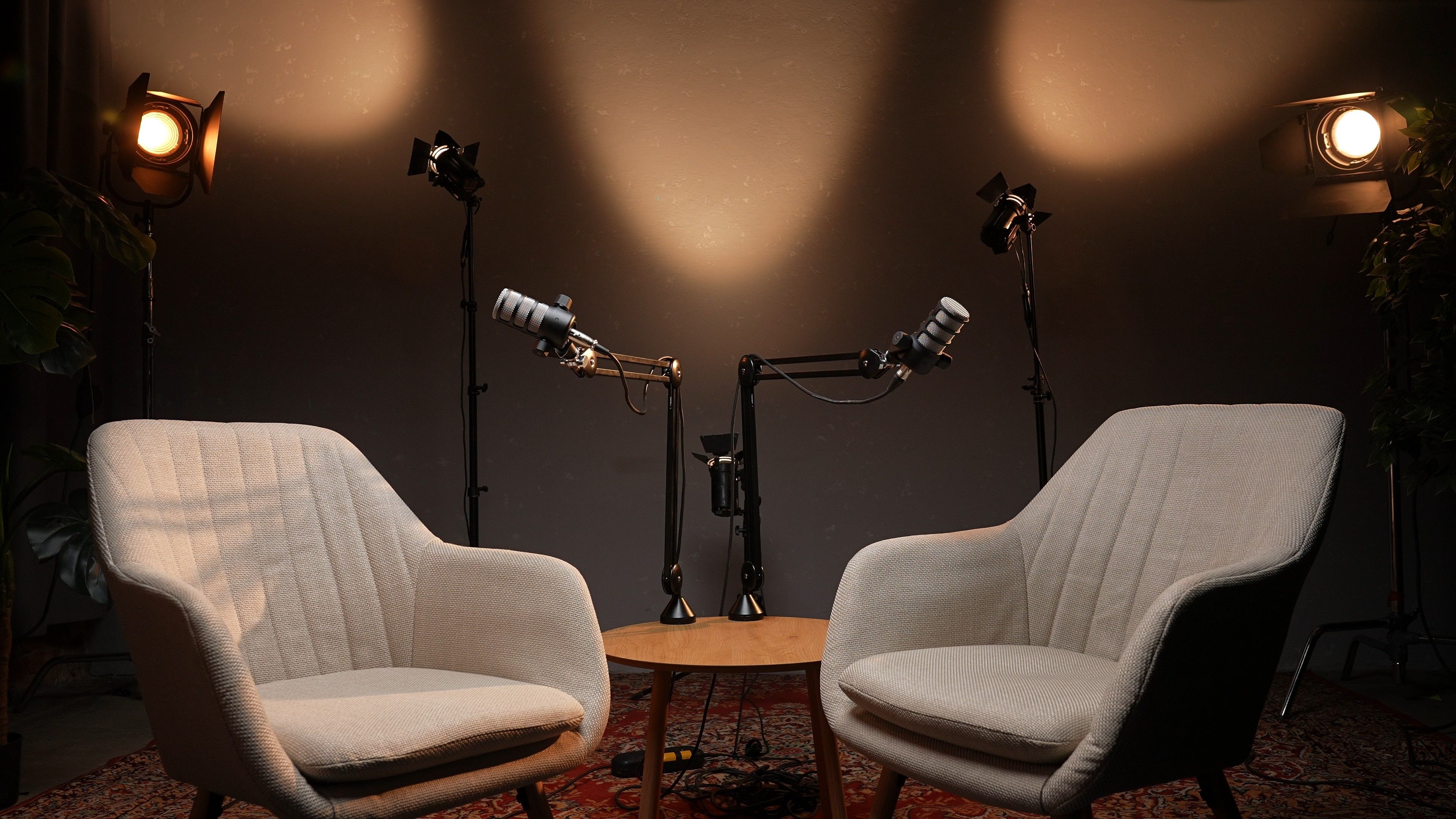
Getting Started: Planning Your Podcast
The first step in starting your podcast is to determine your niche. What topics are you passionate about? What unique perspective can you offer? Identifying your niche will not only help you target the right audience but also keep you motivated to produce content consistently.
Once you have a clear idea of your podcast's focus, it's time to outline your content. Consider creating a content calendar that outlines your episodes, guest appearances, and any special segments. This will keep you organized and ensure a steady stream of content for your listeners.
Essential Equipment
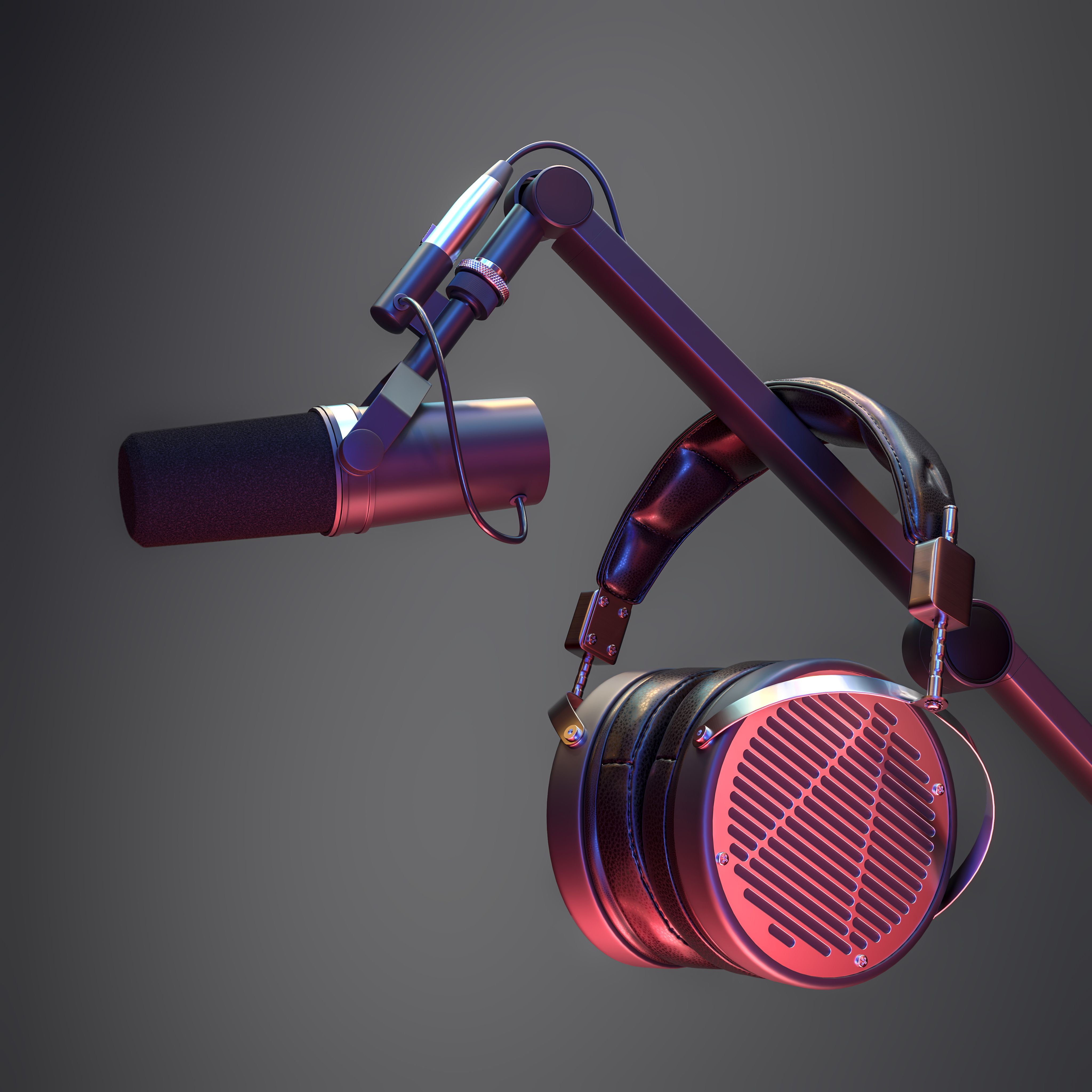
Investing in good-quality equipment is crucial for producing a professional-sounding podcast. At the very least, you'll need a microphone, headphones, and recording software. Here's a basic list to get you started:
- Microphone: A USB microphone is a good start for beginners.
- Headphones: Choose comfortable headphones that provide accurate sound representation.
- Recording Software: Software like Audacity or GarageBand is perfect for beginners.
Recording and Editing Your Podcast
Once your equipment is set up, it's time to start recording. Find a quiet space and minimize background noise to ensure clear audio quality. Practice speaking clearly and confidently, and don't worry about making mistakes—editing can fix minor issues later.
Editing is where you can refine your podcast and add any finishing touches. Trim unnecessary parts, enhance audio quality, and insert music or sound effects where needed. Consistent editing style helps maintain a professional feel throughout your episodes.
Publishing and Promoting Your Podcast
After editing, you're ready to publish your podcast. Choose a reliable podcast hosting platform, such as Libsyn or Anchor, to distribute your episodes to major podcast directories like Apple Podcasts and Spotify.
Promotion is key to growing your audience. Utilize social media, collaborate with other podcasters, and encourage listeners to leave reviews. Consistent promotion will help increase your visibility and attract new listeners.
Engaging with Your Audience
Building a community around your podcast is essential for long-term success. Engage with your audience by responding to comments, hosting Q&A sessions, and incorporating listener feedback into your episodes. This interaction fosters a sense of connection and loyalty among your listeners.
Remember, podcasting is a journey. Embrace the process, learn from your experiences, and most importantly, have fun sharing your voice with the world. With dedication and creativity, your podcast can become a meaningful and rewarding endeavor.