How to Start Your Own Podcast: Tips from Big Cousin's House


Getting Started with Your Podcast
Starting a podcast can seem daunting, but with a little guidance from Big Cousin's House, you'll be on your way to creating captivating audio content in no time. The first step is to identify your podcast's niche. Consider what topics you're passionate about and how you can provide unique insights or entertainment to your audience. Remember, the more specific your niche, the easier it will be to attract a dedicated audience.
Essential Equipment
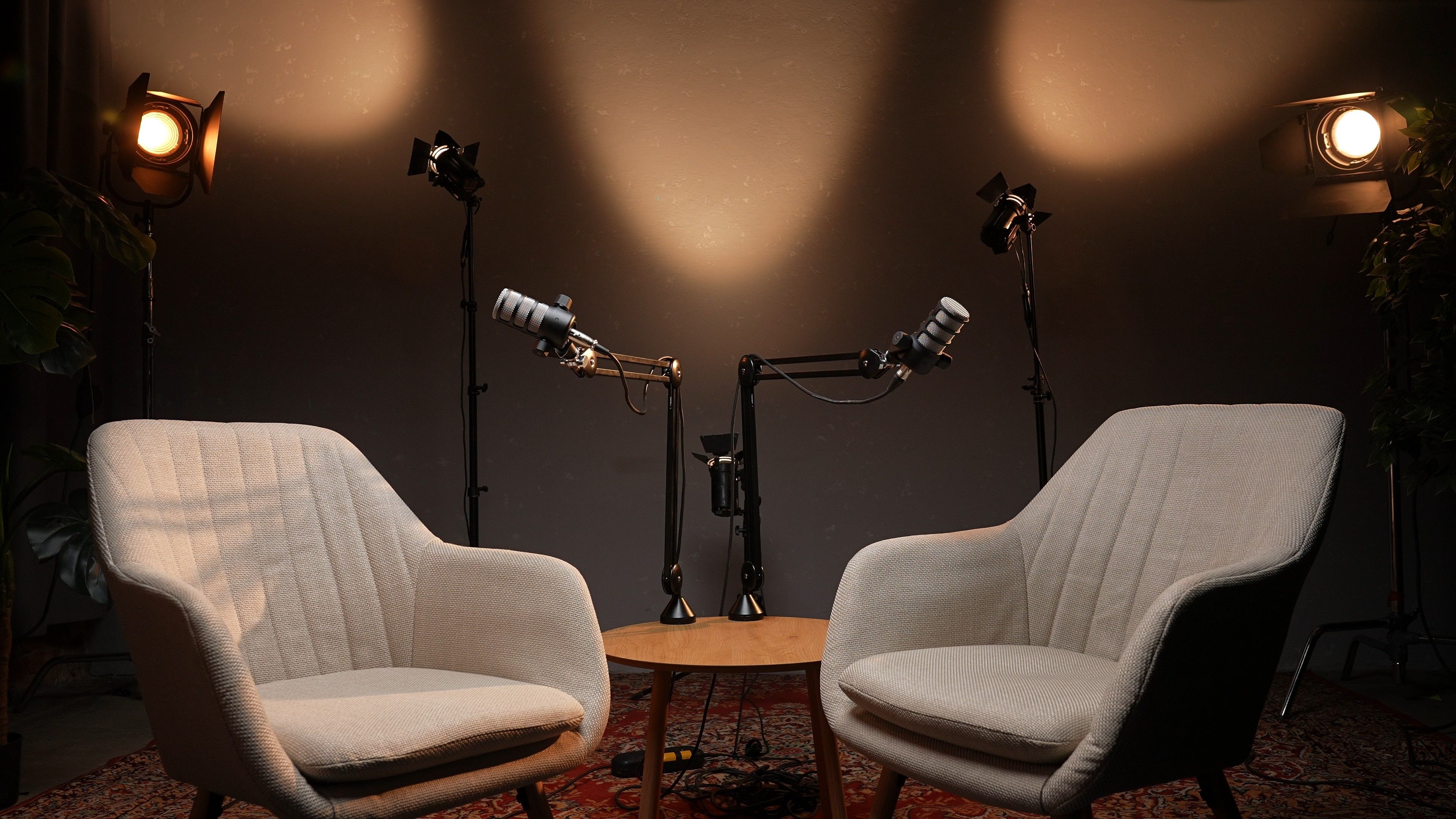
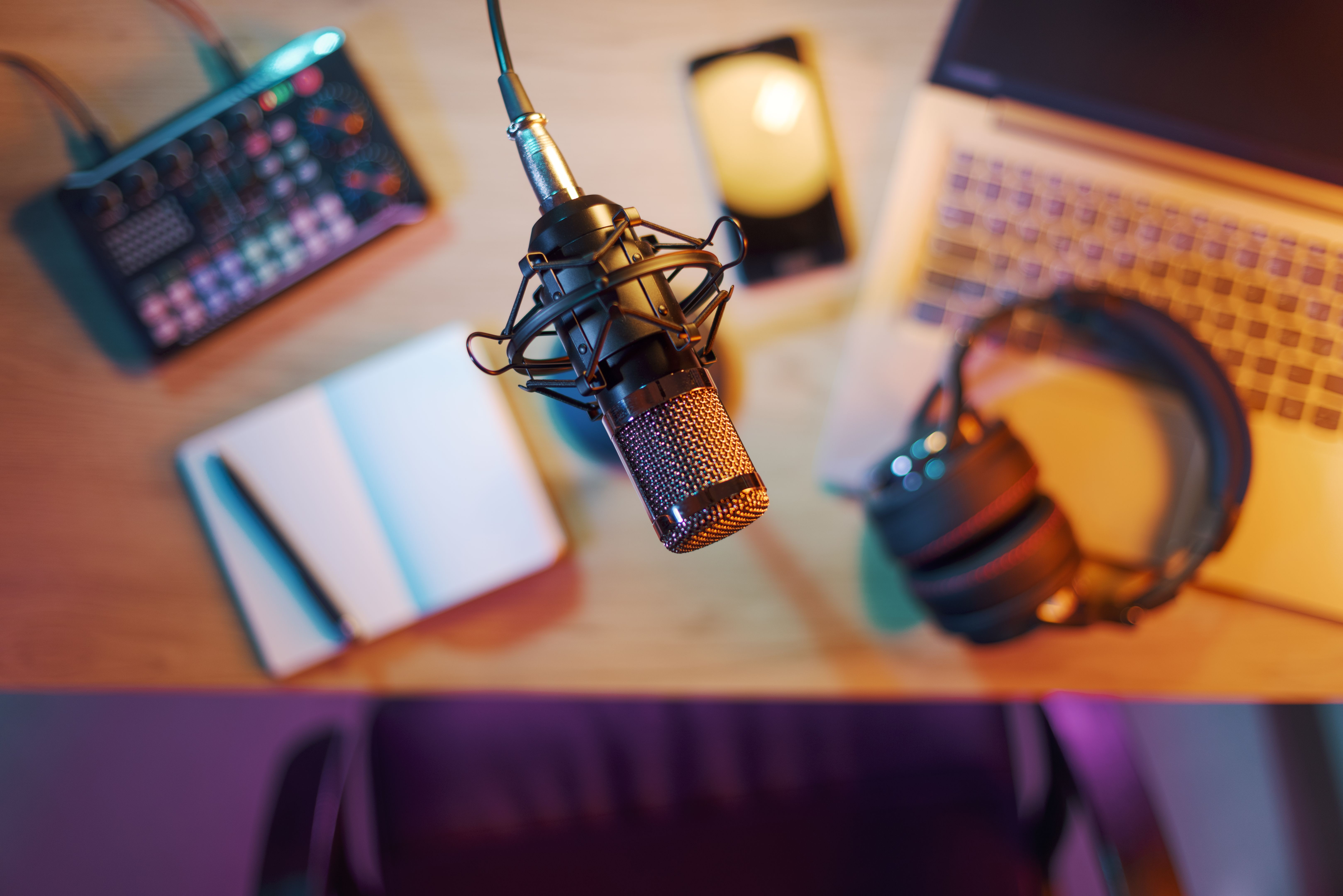
Investing in the right equipment is crucial for producing high-quality audio. At a minimum, you'll need a good microphone, headphones, and recording software. USB microphones are user-friendly and provide excellent sound quality for beginners. Additionally, using a pop filter can help reduce unwanted noise, ensuring your voice comes through crisply and clearly.
Recording software is another key component. Audacity and GarageBand are popular free options that offer plenty of features for editing and enhancing your audio. As you grow, you might want to explore paid options like Adobe Audition or Hindenburg Journalist for more advanced capabilities.
Planning and Recording
Before you hit record, it's important to plan your episodes. Outline your main points and consider how you want to structure your show. Will you include interviews, storytelling, or a mix of formats? Having a clear plan will not only make your recording process smoother but also keep your listeners engaged.
Editing and Producing
Once you've recorded your episode, the next step is editing. This involves removing any mistakes, awkward pauses, or background noise. Pay attention to the pacing of your content—too slow, and you might lose your audience; too fast, and you might overwhelm them. Balancing these elements is key to maintaining listener interest.
After editing, you'll need to add intro and outro music to give your podcast a professional touch. There are many royalty-free music libraries available where you can find suitable tracks for your show.
Publishing and Promotion
Now that your episode is ready, it's time to publish. Choose a podcast hosting platform that suits your needs; popular options include Anchor, Libsyn, and Podbean. These platforms will distribute your podcast to major directories like Apple Podcasts, Spotify, and Google Podcasts.
Building Your Audience
Building an audience takes time and effort. Start by promoting your podcast on social media and engaging with your listeners through comments and feedback. Joining podcasting communities can also be a great way to connect with other podcasters and share your episodes with a wider audience.
Consider collaborating with other podcasters or influencers in your niche. Guest appearances can help you reach new listeners who might be interested in your content.
Consistency and Growth
Consistency is key to maintaining and growing your audience. Aim to release episodes on a regular schedule, whether it's weekly, bi-weekly, or monthly. This will help build anticipation and keep your listeners coming back for more.
As your podcast grows, continue to refine your content and explore new topics. Keep an eye on listener feedback and analytics to understand what resonates with your audience. With dedication and creativity, your podcast can become a successful endeavor.