How to Start Your Own Podcast: Tips from Big Cousin's House


Introduction to Podcasting
Starting your own podcast can be an exciting journey, and with the right guidance, it can also be a rewarding endeavor. Here at Big Cousin's House, we believe in sharing knowledge and empowering creators. Whether you're looking to share your passion, tell stories, or build a brand, podcasting offers a versatile platform to reach a global audience.
Planning Your Podcast
Define Your Niche
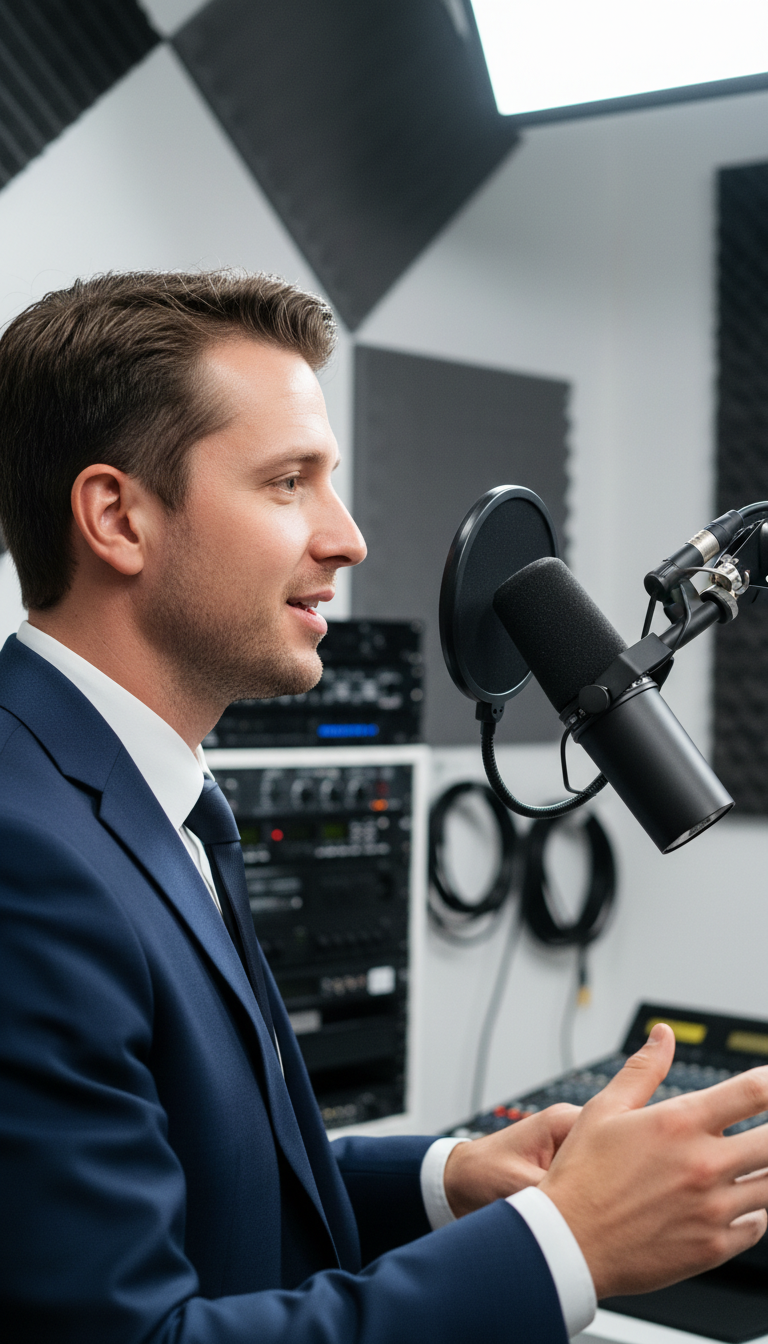
Before diving into recording, it's crucial to define your podcast's niche. Consider what topics you are passionate about and what expertise you can bring to the table. Identifying your niche will help you target the right audience and stand out in the crowded podcasting landscape.
Outline Your Content
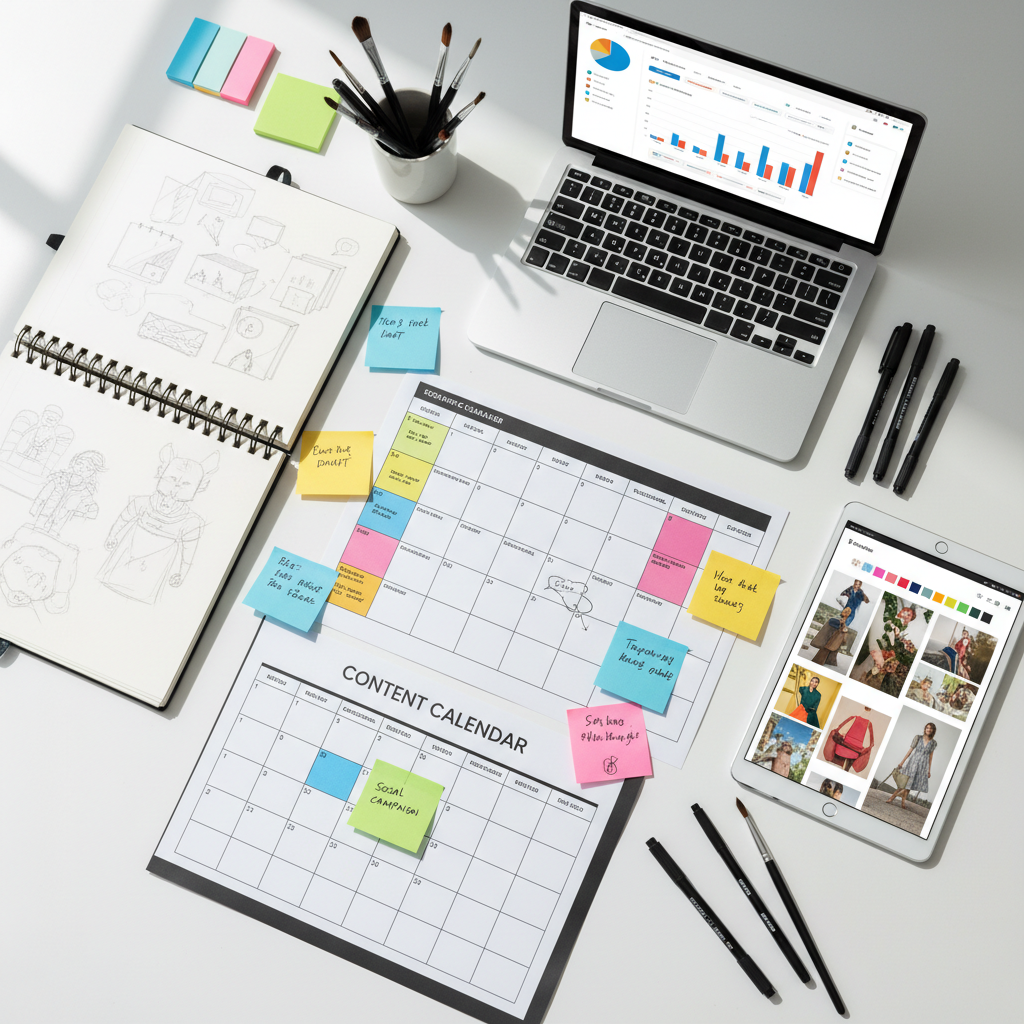
Once you have a niche, start outlining your content. Plan out your episodes, decide on the format, and create a schedule. Consistency is key, so having a clear roadmap will keep you on track. Consider creating a mix of solo episodes, interviews, and panel discussions to keep your content fresh and engaging.
Setting Up Your Equipment
Basic Equipment Needs
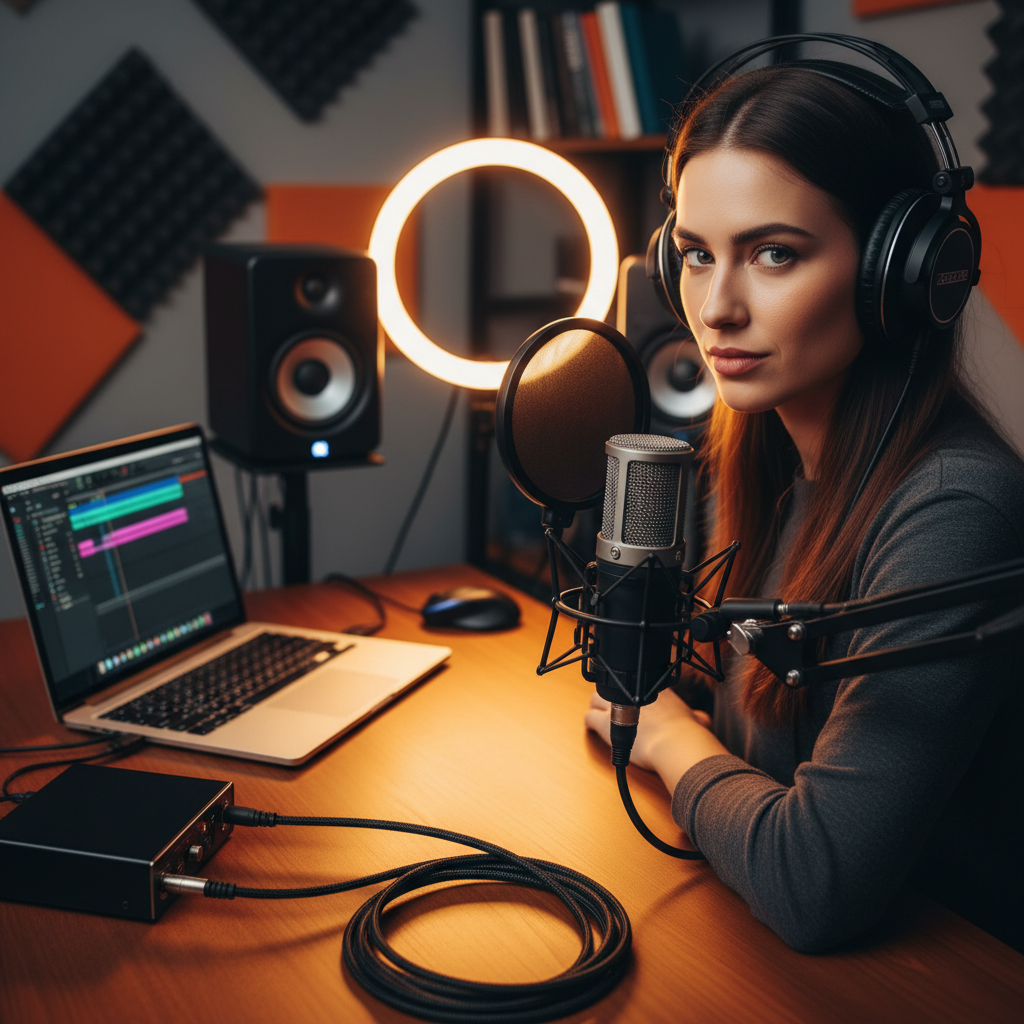
Investing in quality equipment can significantly enhance your podcast's production value. At a minimum, you'll need a good microphone, headphones, and recording software. Researching and choosing equipment that fits your budget and needs is essential.
- Microphone: USB microphones are great for beginners.
- Headphones: Ensure they are comfortable and offer good sound quality.
- Recording Software: Free options like Audacity or GarageBand are perfect for starting out.
Recording and Editing
Recording Tips
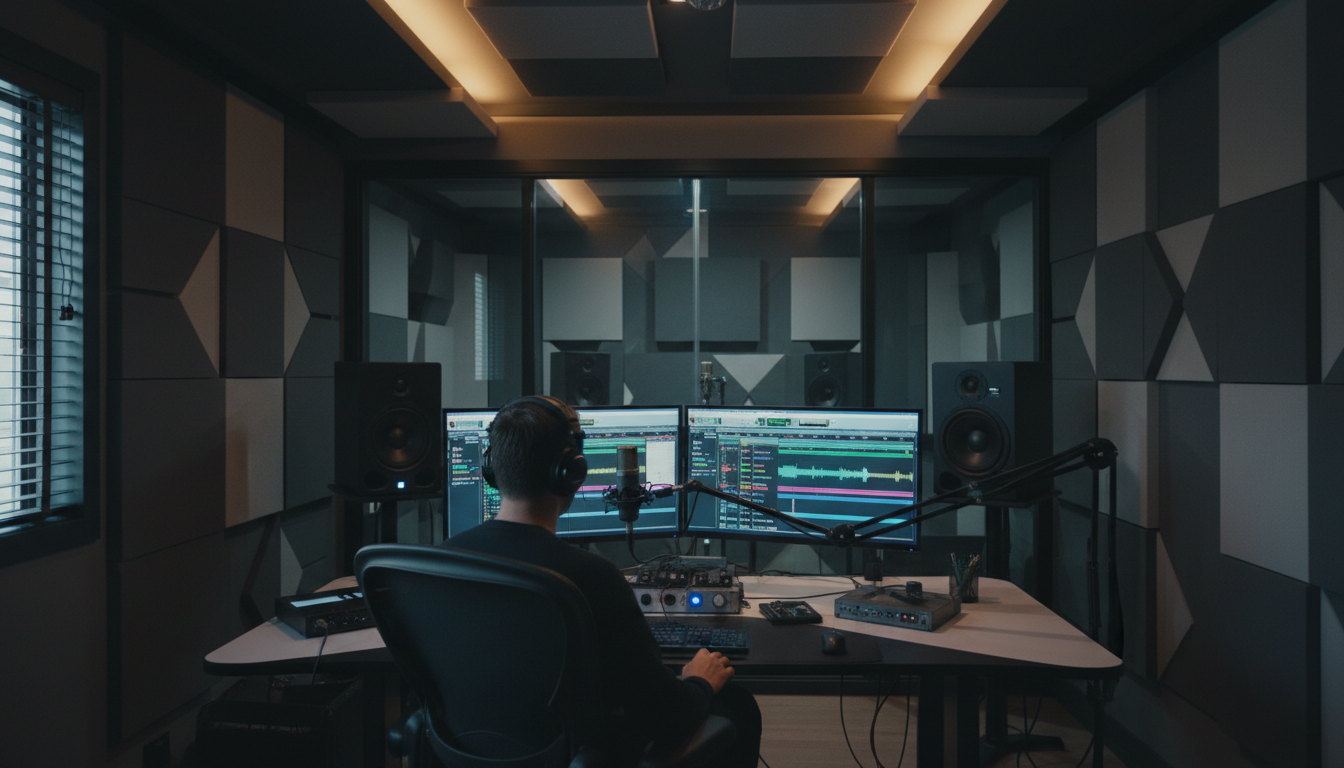
When it comes to recording, find a quiet space and do a few test runs to get comfortable with your setup. Speak clearly and maintain a consistent distance from the microphone. Remember, practice makes perfect, and don't be afraid to make mistakes along the way.
Editing Your Podcast
Editing is where you can refine your podcast and add a professional touch. Use editing software to cut out awkward pauses, add music, and enhance audio quality. Pay attention to pacing and ensure your episodes flow naturally.
Publishing and Promoting
Choose a Hosting Platform
Once your episodes are ready, choose a podcast hosting platform to publish your content. Popular options include Libsyn, Podbean, and Anchor. These platforms help distribute your podcast to major directories like Apple Podcasts, Spotify, and Google Podcasts.
Promote Your Podcast
Promotion is crucial to growing your audience. Utilize social media, collaborate with other podcasters, and encourage listeners to leave reviews. Building a community around your podcast can foster engagement and loyalty.

Conclusion
Starting a podcast is a journey that requires creativity, dedication, and a bit of technical know-how. By following these tips from Big Cousin's House, you'll be well on your way to creating a podcast that resonates with your audience. Remember, the most important thing is to have fun and let your unique voice shine through.