Podcast Equipment Essentials: A Comprehensive Buying Guide


Introduction to Podcasting Equipment
Starting a podcast involves more than just a great idea and engaging content. Having the right equipment is crucial to producing high-quality audio that keeps listeners coming back for more. Whether you're a beginner or looking to upgrade your existing setup, understanding the essentials can make the process smoother.
Microphones: The Heart of Your Podcast
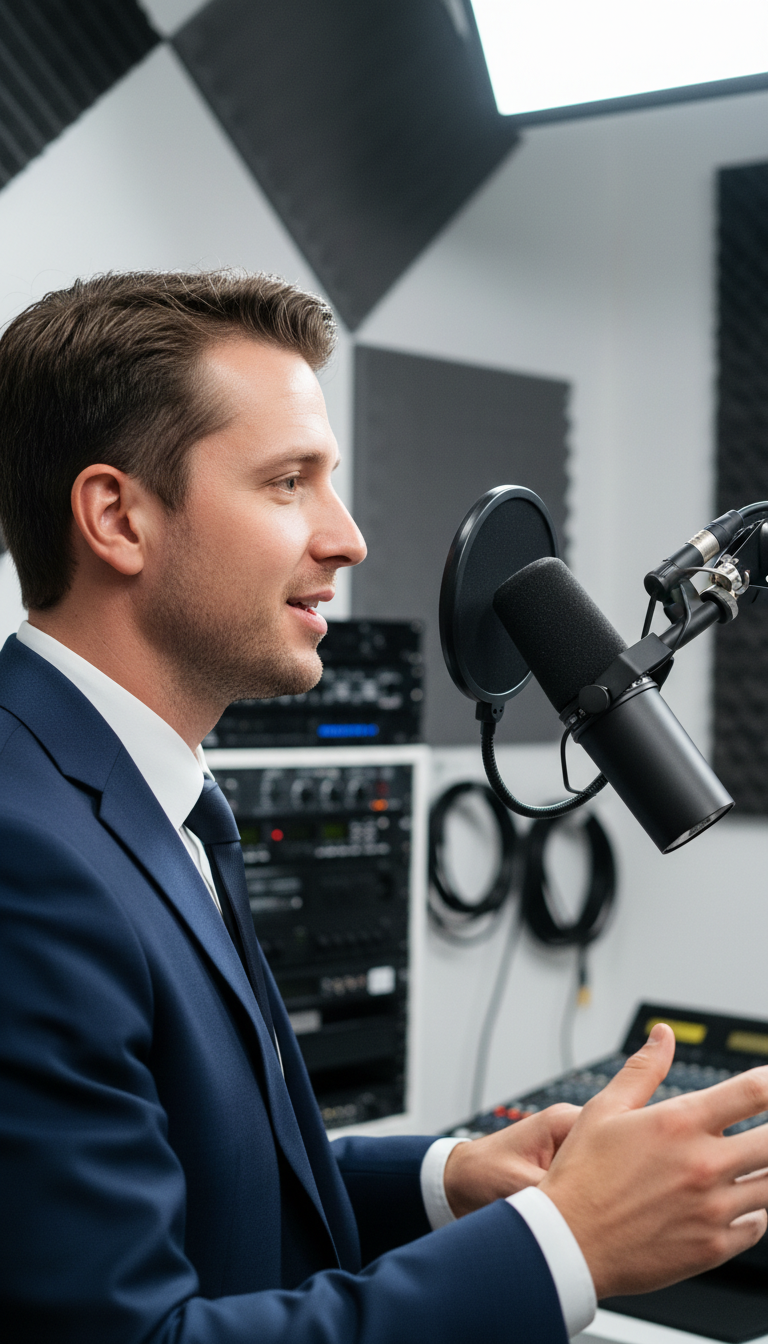
The microphone is arguably the most important piece of equipment for any podcaster. There are two main types to consider: dynamic microphones and condenser microphones. Dynamic microphones are robust and excellent for handling loud sounds, making them ideal for live environments. On the other hand, condenser microphones are more sensitive and capture a wider range of frequencies, perfect for studio recordings.
Popular choices include the Shure SM7B for dynamic needs and the Audio-Technica AT2020 for condenser enthusiasts. Both offer excellent sound quality and durability.
Headphones: Monitoring Your Sound
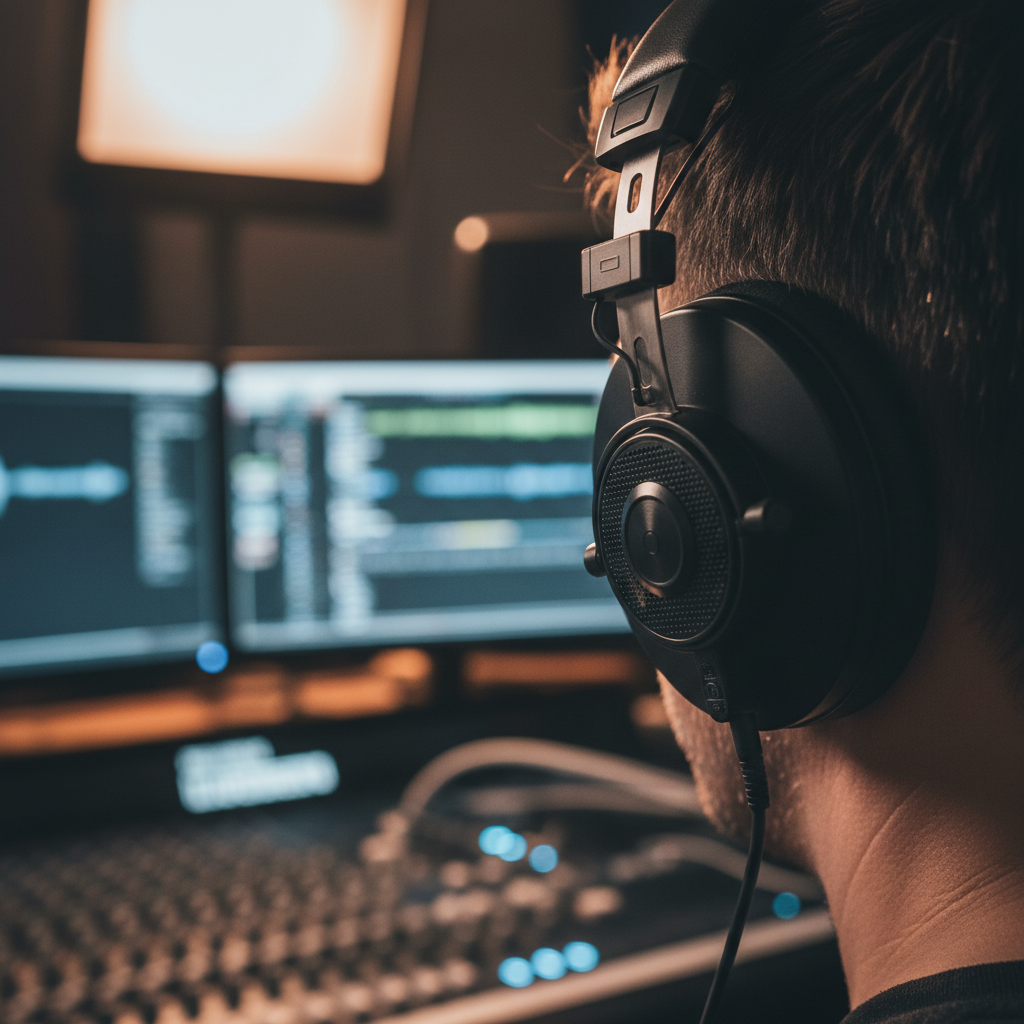
Investing in a good pair of headphones is essential for monitoring your recordings. Closed-back headphones are preferred as they prevent sound from leaking into the microphone. Brands like Audio-Technica and Sony offer reliable options that provide clear audio quality, allowing you to catch any issues in real-time.
Audio Interfaces: Connecting Your Gear
An audio interface serves as the bridge between your microphone and computer. It converts the analog signal from your mic into a digital format that your computer can process. Look for interfaces with multiple inputs if you plan on having multiple hosts or guests. The Focusrite Scarlett 2i2 is a popular choice due to its ease of use and excellent sound quality.
Ensure the audio interface you choose is compatible with your computer's operating system to prevent any technical hiccups during recording sessions.
Pop Filters and Boom Arms: Enhancing Audio Quality
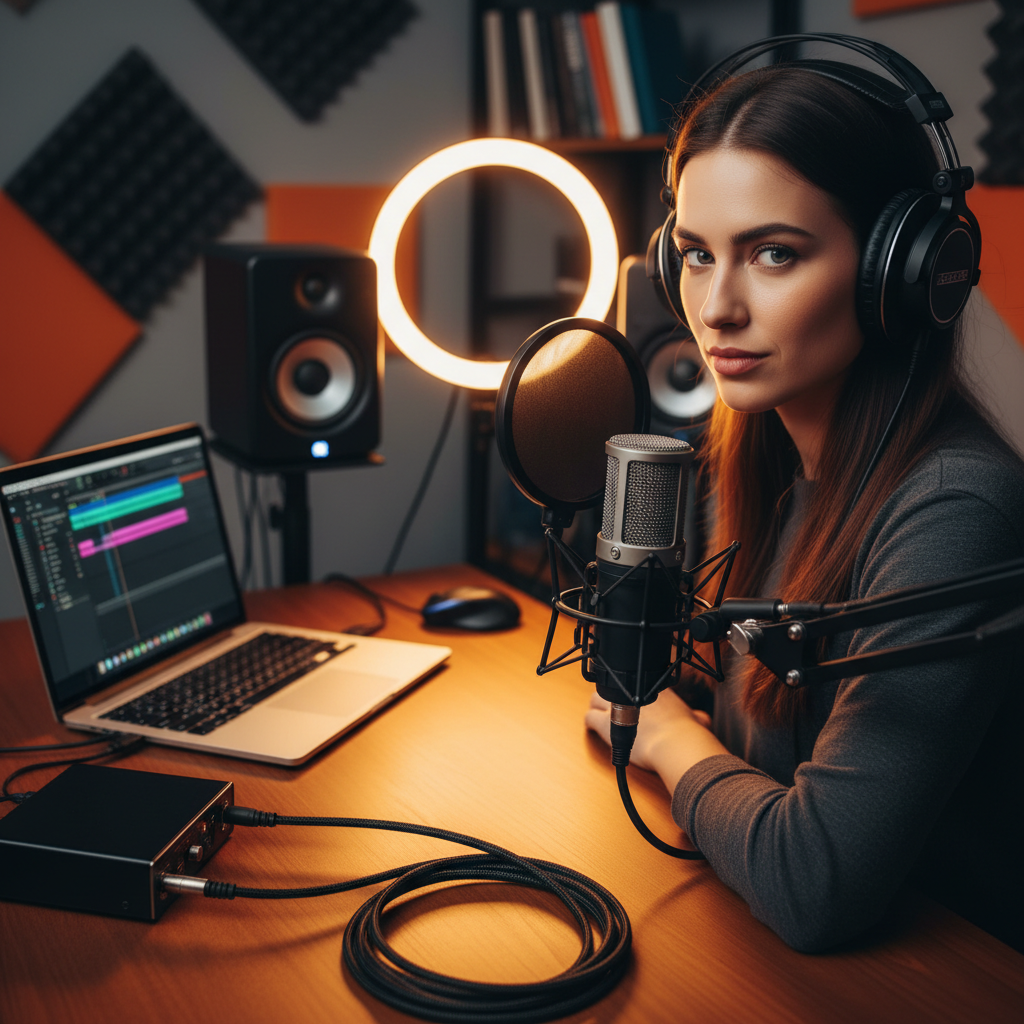
A pop filter is a simple yet effective tool that reduces plosive sounds, which are sharp bursts of air that hit the microphone when pronouncing certain consonants. Pairing this with a boom arm not only helps in positioning the microphone correctly but also frees up desk space and reduces unwanted vibrations.
Recording and Editing Software
Once your hardware is set up, you'll need software to record and edit your podcast. Options like Audacity and GarageBand offer user-friendly interfaces for beginners, while Adobe Audition provides more advanced features for seasoned podcasters.
Experiment with different software to find one that suits your workflow and editing style. Most software options offer free trials, allowing you to test before committing.
Conclusion: Building Your Podcasting Setup
Creating a podcast requires an investment in quality equipment to ensure your content is presented in the best possible way. By selecting the right combination of microphones, headphones, audio interfaces, and other accessories, you'll be well on your way to producing professional-sounding audio.
Remember, the key to success lies not just in the equipment but also in your passion and creativity. Happy podcasting!