The Ultimate Guide to Starting a Podcast: Tips from Lansdowne's Big Cousin's House


Why Start a Podcast?
Podcasts have become a powerful medium for sharing ideas, storytelling, and building communities. Whether you want to express your creativity, promote your business, or connect with a like-minded audience, podcasting offers a versatile platform to do just that. With minimal equipment and a bit of determination, you can reach a global audience eager to hear what you have to say.

Planning Your Podcast
Before hitting the record button, it's crucial to plan your podcast. Start by identifying your niche, as this will help you target a specific audience. Consider what topics you're passionate about and how they can provide value to listeners. Once you've settled on a theme, brainstorm potential episode ideas that align with your overall vision.
Next, think about your podcast format. Will it be interview-based, a solo show, or a co-hosted series? Each format offers unique opportunities and challenges, so choose one that fits your style and goals. Establishing a consistent schedule is also key to building a loyal audience.
Essential Equipment and Software
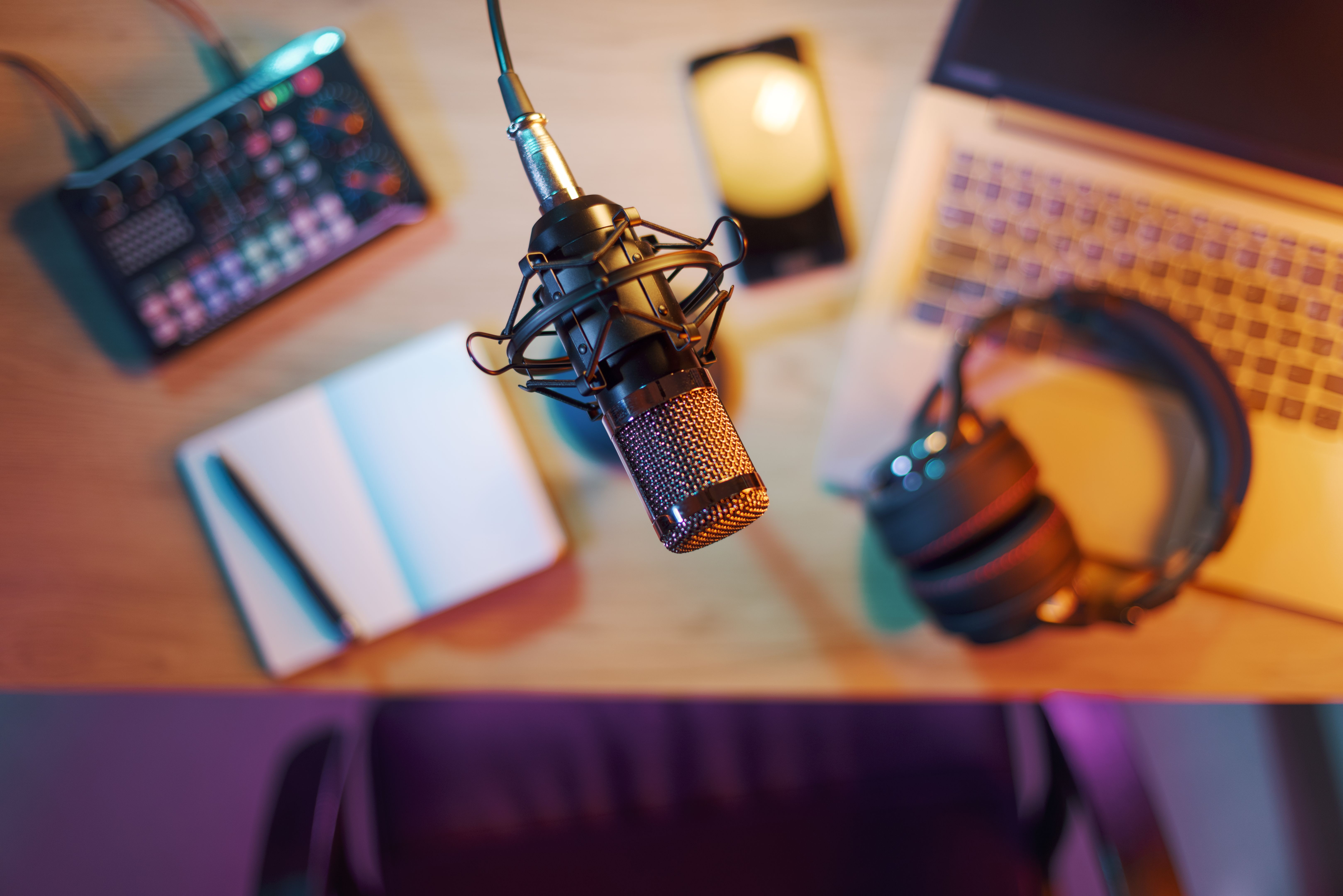
Don't be intimidated by the tech side of podcasting. You can start with basic equipment and upgrade as your podcast grows. At a minimum, you'll need a good-quality microphone, headphones, and sound editing software. Consider using programs like Audacity or GarageBand, which are user-friendly and effective for beginners.

Recording and Editing
Recording quality is crucial for maintaining listener interest, so ensure you're in a quiet environment with minimal background noise. Practice speaking clearly and confidently, as this will make your podcast more engaging. When editing, focus on removing long pauses, mistakes, and any distracting sounds.
Adding music and sound effects can enhance your podcast's production value, but use them sparingly to avoid overwhelming your content. Remember that editing can be time-consuming, so allocate enough time to polish each episode.
Publishing and Promoting Your Podcast
Once your episode is ready, it's time to publish it on podcast hosting platforms like Libsyn, Podbean, or Anchor. These platforms help distribute your podcast to major directories such as Apple Podcasts, Spotify, and Google Podcasts. Consistent publishing will help you gain traction and grow your audience.
Building Your Audience
Promotion is key to attracting listeners. Leverage social media platforms to share your episodes and engage with potential fans. Collaborate with other podcasters or influencers in your niche to reach a wider audience. Encourage your listeners to leave reviews and ratings, as this can improve your podcast's visibility.
Building a community around your podcast can also foster listener loyalty. Consider creating a dedicated website or blog where listeners can find additional content, show notes, and updates. Engage with your audience through newsletters or live Q&A sessions to maintain a strong connection.
Continuous Improvement
Podcasting is a journey of continuous learning and improvement. Regularly seek feedback from your audience and be open to making changes. Analyze your podcast’s performance metrics, such as listener numbers and engagement rates, to identify areas for growth.
Stay informed about industry trends and explore new techniques to keep your content fresh and exciting. As you grow, consider monetizing your podcast through sponsorships, merchandise, or crowdfunding, turning your passion into a sustainable venture.